Tina Russell · 13 September 2026
Crestwood River Restoration Sparks Fresh Ideas for Neighborhood Transit and Cultural Events
The Crestwood River restoration project has moved forward with coordinated efforts that connect improved waterway management to broader neighborhood planning, and observers note how these developments have generated new proposals for transit connections along with expanded cultural programming in surrounding districts. Data from local environmental monitoring indicates that bank stabilization and habitat recovery work began in 2024, while progress reports show measurable reductions in erosion rates across multiple segments of the waterway. Researchers from regional universities have tracked changes in water quality since the initial interventions, and figures reveal consistent improvements in dissolved oxygen levels that support fish populations returning to previously stressed areas.
Restoration Background and Current Status
Project timelines place major construction phases through 2025, with additional site work scheduled for completion by September 2026 according to official project documents released by municipal planning offices. The effort incorporates native vegetation replanting along both banks, installation of natural filtration systems, and removal of legacy debris that had accumulated over decades. Studies conducted by independent consultants document how these measures align with watershed protection guidelines issued by the US Environmental Protection Agency, which emphasize integrated approaches to urban river recovery. Community mapping exercises have identified key access points where restored sections intersect with existing street networks, creating opportunities for redesigned pedestrian and bicycle routes that reduce reliance on vehicle travel for short distances.
Transit Concepts Emerging from the Project
Planners have outlined potential shuttle services and dedicated bike corridors that would link restored riverfront areas to nearby residential zones and commercial centers. One proposal includes a loop route that utilizes newly stabilized river edges for low-impact transit infrastructure, while another explores connections to regional rail stops through upgraded pathways. Evidence from similar projects in other municipalities shows that such linkages often increase daily foot traffic along waterways by measurable percentages, and Crestwood officials have referenced these patterns during public presentations. Traffic modeling data suggests that enhanced transit options could lower peak-hour congestion on parallel roadways, particularly once September 2026 marks the opening of additional trail segments. Integration with existing bus schedules remains under review, with preliminary assessments indicating that minor adjustments to service frequency might accommodate projected ridership growth without requiring fleet expansions.
Cultural Events and Public Programming
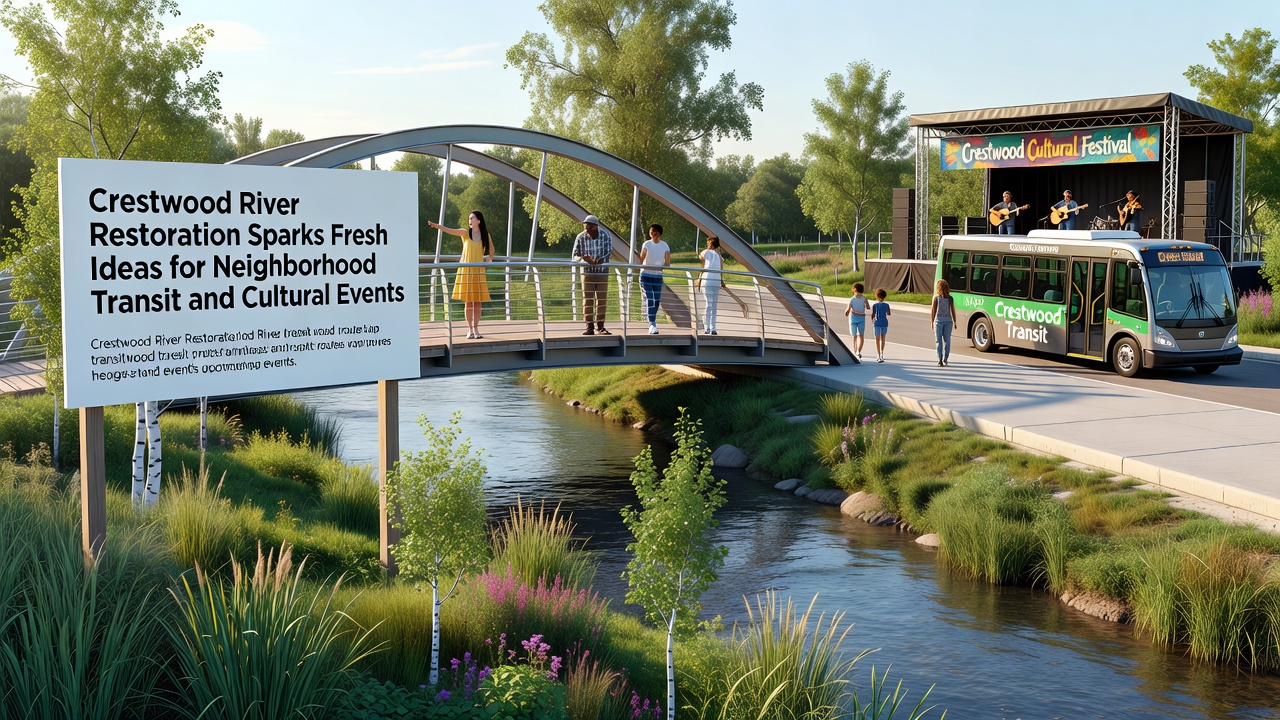
Restored sections of the river have already hosted trial gatherings that tested capacity for outdoor performances and seasonal markets. Organizers report that temporary stages placed near stabilized banks allow events to incorporate natural surroundings while maintaining accessibility standards. Proposals now under consideration include recurring festivals that highlight local history alongside environmental education, with September 2026 flagged as a target window for a larger inaugural celebration marking project milestones. Venue layouts under discussion feature modular setups that can accommodate varying crowd sizes, and lighting plans emphasize low-energy solutions that minimize impact on nocturnal wildlife. Cultural programming coordinators have consulted records from comparable riverfront revitalizations, noting how integrated event spaces tend to draw diverse attendance when combined with improved transit access.
Community Input and Planning Integration
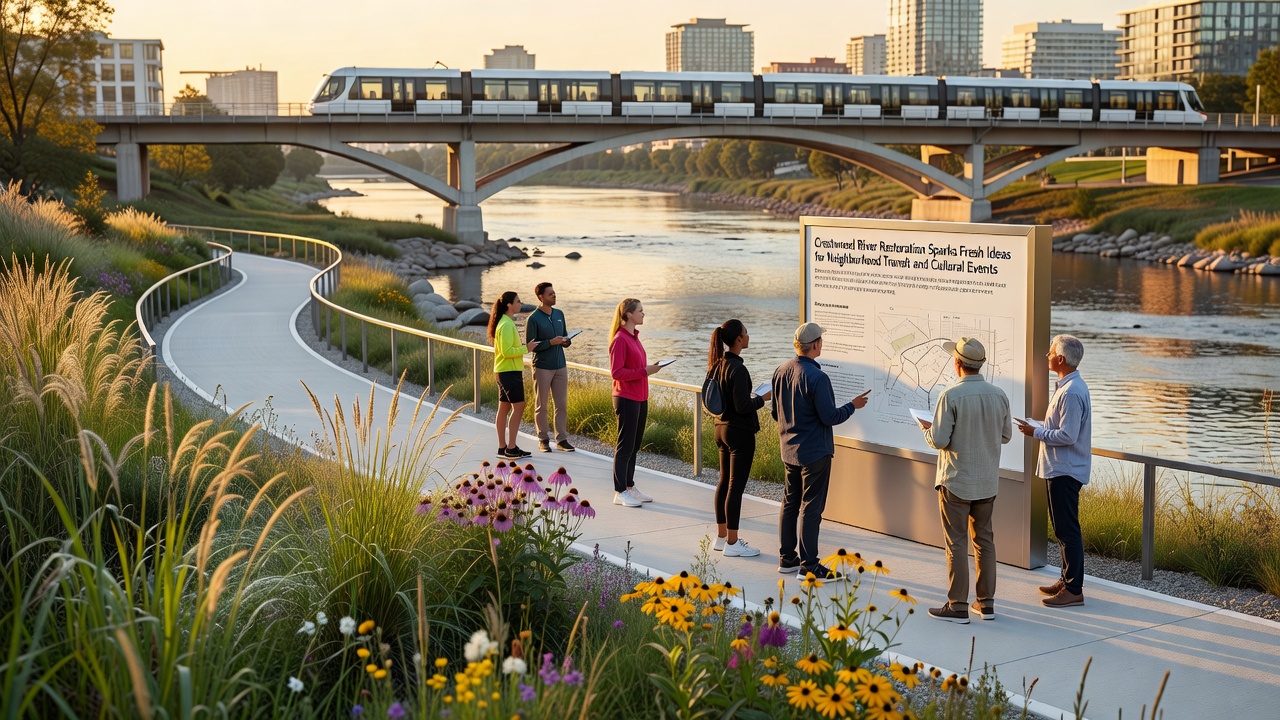
Public forums held throughout 2025 collected input on how restoration features might support both mobility and gathering spaces. Participants identified specific locations where new transit stops could align with future event venues, and feedback summaries highlight interest in year-round programming rather than seasonal restrictions. Municipal records show that these sessions informed adjustments to design guidelines, including wider pathways that accommodate both cyclists and emergency vehicles when needed. Coordination between transit authorities and cultural organizations has produced joint planning documents that outline shared maintenance responsibilities for multi-use areas. Data collected during pilot events indicates attendance patterns that peak during evening hours, prompting discussions about extended transit operating times on select weekends.
Projected Outcomes and Monitoring
Environmental monitoring continues alongside planning activities, with quarterly reports tracking both ecological metrics and usage statistics for emerging pathways. Projections based on current trends estimate that combined transit and cultural initiatives could generate sustained increases in public engagement with the river corridor once September 2026 arrives. Comparative analyses drawn from projects referenced by the European Environment Agency suggest that integrated approaches often yield broader community benefits when restoration coincides with infrastructure upgrades. Local agencies plan to publish updated figures on ridership and event participation following the 2026 phases, allowing further refinements to service models and programming calendars. Ongoing data collection focuses on air quality improvements near new pathways as well as participation rates across demographic groups.
Conclusion
The Crestwood River restoration continues to shape neighborhood planning through its connections to transit redesign and cultural event development. Project milestones scheduled through September 2026 provide structured timelines for implementing proposed changes, while monitoring programs track both environmental recovery and community utilization. Coordinated efforts between agencies and residents have produced concrete concepts that build directly on restored waterway conditions, and documentation of these developments remains available through municipal channels for ongoing review.