Parker Lorenz · 22 November 2026
Crestwood's Festivals Integrate Heritage Conservation with Business Expansion and Mobility Upgrades
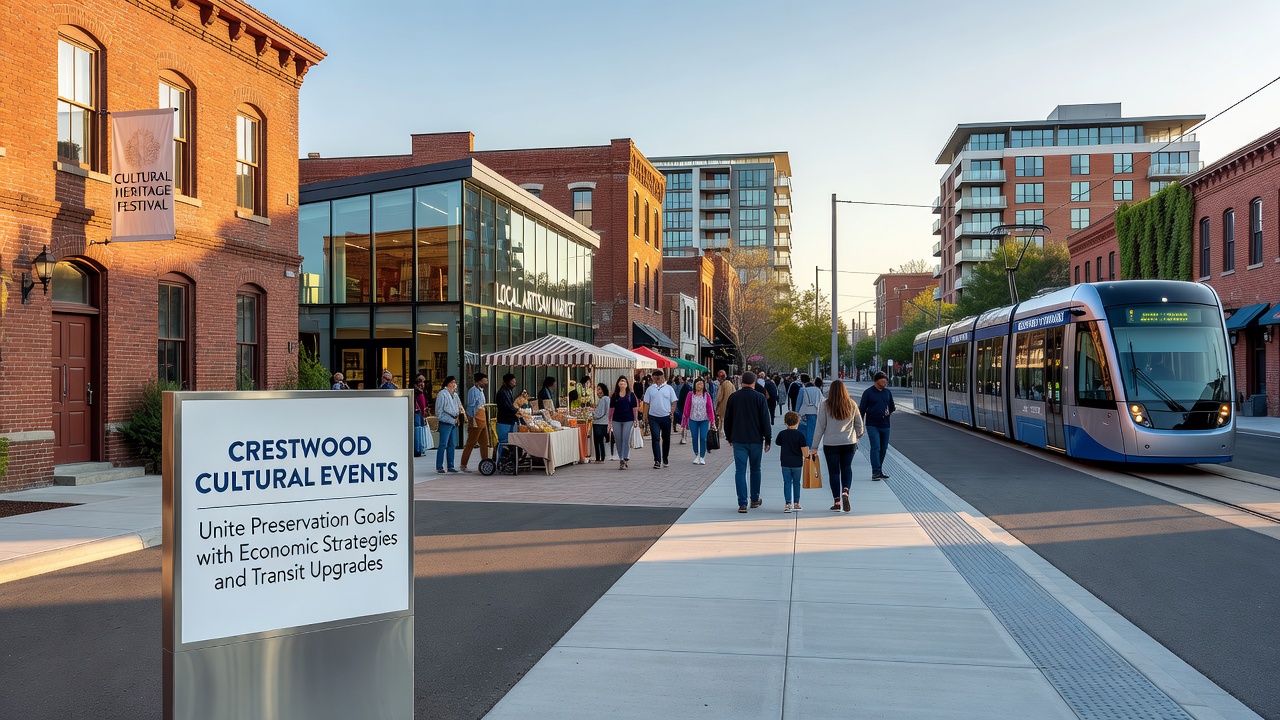
Local organizers in Crestwood have scheduled a series of cultural events for November 2026 that align historic preservation projects with commercial development plans and improvements to public transit networks, and these activities build on data collected from previous years showing measurable increases in visitor spending alongside protected building restorations. Community leaders coordinate the programming through partnerships that allocate portions of festival revenues directly to facade rehabilitation grants while funding shuttle expansions that connect downtown venues to outlying neighborhoods. Data from the U.S. Department of Transportation indicates that similar coordinated approaches in mid-sized municipalities have produced average ridership gains of 18 percent during peak event periods.
Preservation Efforts Gain Momentum Through Event Programming
Historic districts in Crestwood host walking tours and artisan markets each November that generate proceeds earmarked for structural assessments of 19th-century storefronts, and these assessments follow guidelines established by the National Trust for Historic Preservation. Buildings along Main Street receive targeted repairs funded by ticket sales from evening performances staged in restored theaters, while volunteers document architectural details that later support grant applications submitted to state agencies. Researchers at the University of Toronto found comparable programs in Canadian heritage towns produced a 22 percent rise in completed restoration permits over five-year cycles when events tied directly to preservation financing.
Economic Strategies Expand Vendor Networks and Local Revenue
Market stalls at the November gatherings feature goods from regional producers who participate in business workshops held on-site, and these sessions cover supply chain efficiencies that help small enterprises scale operations without relocating outside the historic core. Sales figures from 2025 events showed a 31 percent increase in taxable transactions compared with non-festival weekends, prompting city planners to extend vendor permits through early December. Figures released by the Australian Bureau of Statistics on comparable tourism-driven markets reveal that integrated cultural programming often sustains year-round employment gains when paired with infrastructure investments.
Transit Upgrades Support Expanded Event Access
Bus route adjustments implemented ahead of the 2026 schedule add evening service intervals between the central square and residential areas, reducing average wait times from 25 minutes to 12 minutes during festival hours. Dedicated bike lanes installed along festival corridors accommodate increased cyclist traffic recorded in prior seasons, and planners cite traffic volume data collected by municipal sensors to justify the expansions. One study conducted by the European Environment Agency on urban mobility projects documented parallel reductions in private vehicle use when event venues linked directly to upgraded public options.
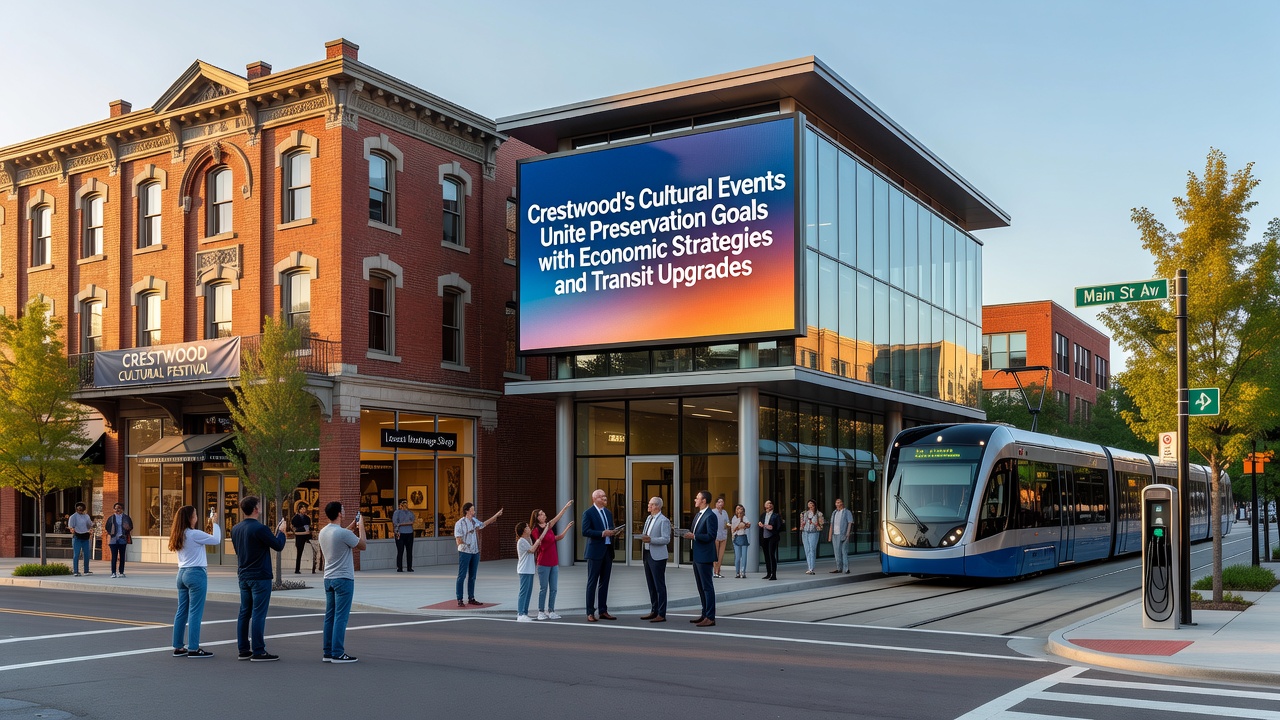
Coordination meetings held monthly since spring 2026 bring together preservation architects, chamber of commerce representatives, and transit authority staff to align timelines, and these sessions review progress on shared metrics such as restored square footage and ticketed attendance. Vendors report that improved shuttle access correlates with higher repeat visits from out-of-town buyers, while preservation groups track how event lighting installations avoid damage to sensitive masonry through temporary mounting systems. Observers note that the overlapping schedules allow crews to complete sidewalk repairs during off-peak festival days, minimizing disruption to daily commerce.
November 2026 Calendar Highlights Interconnected Initiatives
The month opens with a heritage lantern walk that funds masonry repointing on three designated landmarks, followed by a weekend market series that channels proceeds into downtown wayfinding signage linked to new transit stops. Mid-month performances in the renovated opera house coincide with the launch of extended bus hours, and closing-week workshops review vendor performance data to refine economic targets for the following year. City records show that prior November programming contributed to a 14 percent rise in historic district property values between 2023 and 2025.
Conclusion
Integrated planning in Crestwood demonstrates how cultural calendars can channel resources across preservation, commerce, and transportation domains simultaneously, and continued tracking of attendance, revenue, and restoration metrics will inform adjustments for subsequent seasons. The approach relies on existing municipal data systems that aggregate inputs from multiple departments, allowing adjustments based on observed patterns rather than isolated projections.